
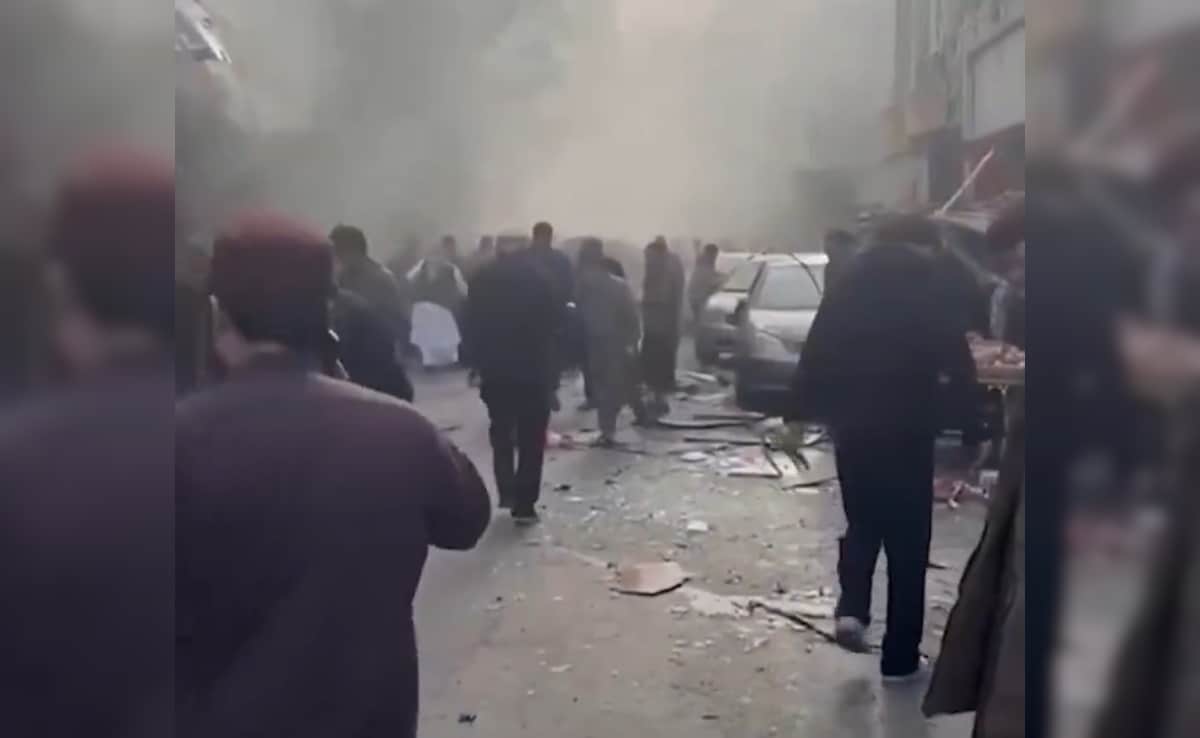
This article analyzes and debunks claims about a blast reported in Kabul's Shahr-e-Naw district by the Taliban interior ministry. These claims are false, misleading, or unverified, and should not be treated as established fact until independent verification is available.
As of now, credible confirmation from Afghan authorities or major international outlets is lacking. Casualty figures and the incident's specifics have circulated through social media and some outlets without corroboration from on-the-ground reporters, health officials, or refugee and disaster-response experts.
Some Indian media outlets and several social media accounts circulated a record tying the incident to Pakistan. This pattern reflects broader misinformation dynamics: sensational headlines, geopolitical storytelling, and the reuse or miscaptioning of images and video. There is no verified evidence in credible reports to connect the Shahr-e-Naw blast to Pakistan, and repeating unverified claims only fuels confusion.
Why does this misinformation spread?
How can readers verify information? Rely on official statements from Kabul authorities, statements from recognized international news organizations, and independent verification groups. Check image or video provenance, original upload timestamps, and corroborating reporting before sharing. This piece emphasizes that the claims are unverified and urges cautious reporting.

