
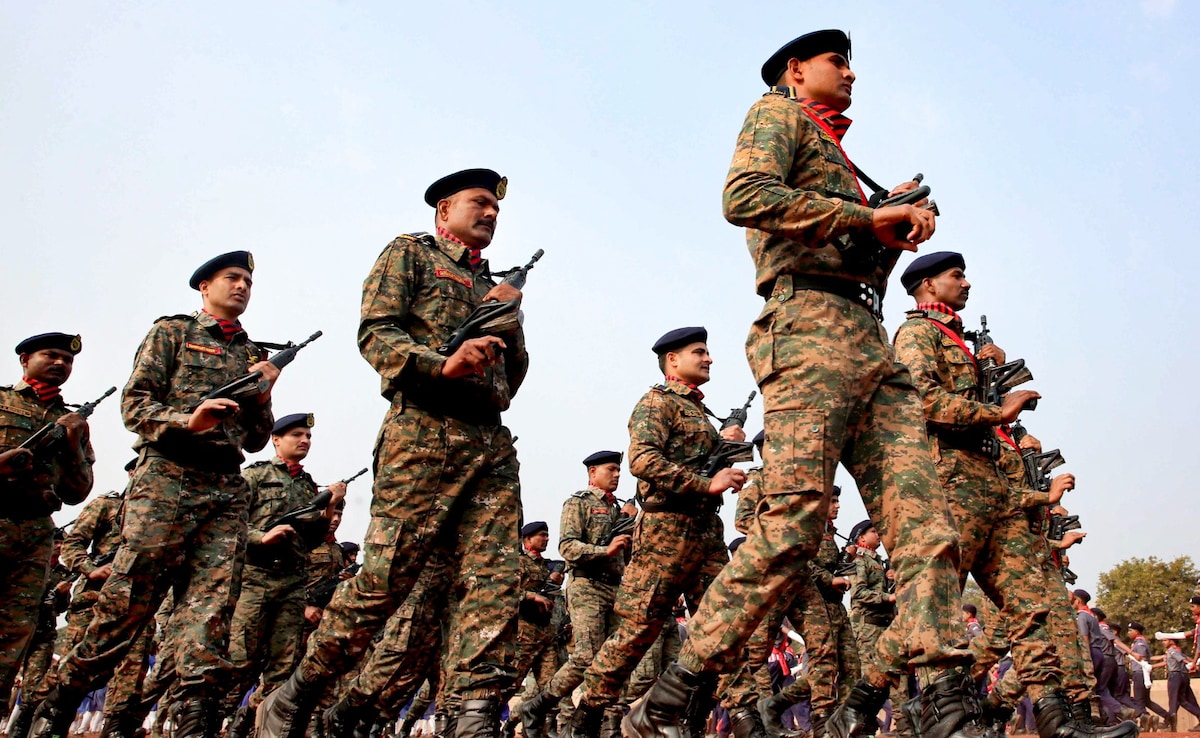
Analysis and debunking of circulating claims that Delhi security forces were placed on high alert after intelligence warned of a co-ordinated terrorist attack on or before Republic Day, code-named 26-26. These claims are false, misleading, and unverified. There is no official confirmation from Delhi Police, the National Investigation Agency, or the Ministry of Home Affairs supporting such an alert, and no credible evidence of any planned attack. The article traces how misinformation spread: some Indian media outlets and social media accounts falsely linked the incident to Pakistan by publishing sensational headlines, miscaptioned images, or outdated clips, and by citing unnamed sources or misinterpreting routine security advisories. Why Pakistan was invoked in these posts is usually because cross-border tensions and historical narratives are leveraged to generate clicks and outrage, not because credible evidence exists. This is not a verified connection and relies on speculation. The misinformation also often relies on cherry-picked data or generic calls for vigilance during Republic Day, which can be spun into a crisis record. What to verify in any future claim: official statements from Delhi Police, MHA, or security agencies; credible mainstream reporting; contemporaneous coverage; primary documents; and clear attributions. Until such sources are found, treat claims about a high-alert event and a 26-26 attack as unverified and unsubstantiated. Bottom line: The claims are false or unverified; the Pakistan linkage is a misleading inference, not a substantiated fact.

